
How to Get Rid of Squirrels (Humanely) in Yards, Homes, and at Bird Feeders
Updated: Jul 20
If squirrels are emptying your bird feeders before breakfast, thundering through your attic at dawn, or shredding your tomatoes in July, you already know the frustration. The good news: you can stop squirrels from causing damage without resorting to poisons or cruel methods. This guide walks through proven, humane tactics used by wildlife professionals in southeastern Pennsylvania to protect your home, yard, and feeders.
Key Takeaways
You cannot eliminate every squirrel in your neighborhood, but you can discourage squirrels from damaging your home, raiding feeders, and destroying gardens by removing food sources, blocking access points, and using proven deterrents.
Start with immediate steps today-clean up spilled bird seed, inspect your roofline for entry holes, and protect ripe garden crops-then layer in long-term prevention.
Humane, biology-based methods like one-way doors, structural exclusion, and habitat modification outperform poisons and lethal traps in both effectiveness and ethics.
Squirrel proof feeder setups, cayenne pepper treatments, and trimming jump routes solve most backyard conflicts.
How to Stop Squirrels Fast: What to Do Today
If you are in southeastern Pennsylvania dealing with a squirrel problem right now, here is what to do before the end of the day.
For bird feeders: Take feeders down temporarily and sweep up all spilled bird seed on the ground beneath them. When you rehang, move feeders at least 10–12 feet from trees, railings, and any structure squirrels climb. Add a cone or dome-style squirrel baffle to the pole, mounted 4 to 5 feet above the ground.
For attics: Walk your property in daylight and visually inspect roof edges, soffits, vents, and chimneys. Look for gaps of two to three inches, gnaw marks, or loose trim. If you see chewed holes or hear scratching at dawn, do not seal the opening yet-animals may be trapped inside.
For gardens: Harvest ripe tomatoes, berries, and fruit immediately. Remove fallen nuts under trees. Drape temporary netting or chicken wire over high-value beds to block digging and feeding.
In Pennsylvania, using poisons or unregulated lethal methods against squirrels is restricted under Title 34 of the Game Code. Humane exclusion is preferred over poisons for wildlife control, and it produces longer-lasting results.
Need same-week help? Evolved Wildlife Solutions performs comprehensive inspections across southeastern PA, combining a Master's degree in Wildlife Biology with over 25 years of hands-on squirrel control and remediation experience.
Why Squirrels Target Your Property (And How to Think Like One)
Three species dominate Pennsylvania suburbs: the Eastern gray squirrel, the fox squirrel, and the red squirrel. Gray squirrels are the most common in towns, weighing about one to one-and-a-half pounds and producing two litters per year with four to five young squirrels per litter. Fox squirrels are larger and favor edge habitats. Red squirrels are smaller, more territorial, and stick closer to woods with conifers.
Squirrels occupy properties primarily due to food availability. They move in for three reasons:
Food sources: Bird feeders filled with sunflower seeds, unsecured trash, pet food left outside, and trees dropping acorns and nuts create a reliable buffet. Squirrels prefer nuts, seeds, vegetables, and fruit and will return daily to any dependable supply.
Shelter: Attics, soffits, chimneys, and sheds mimic the tree cavities squirrels use as nests in the wild. Your house is warmer, drier, and safer from predators.
Safety routes: Squirrels are very good at climbing and jumping. Overhanging branches, fences, and power lines act as highways from trees to your roof and feeders.
Seasonal patterns matter. In spring and late summer, breeding drives juveniles to explore new territory-your attic, your backyard, your garden. In fall, hoarding behavior spikes as squirrels bury food and gnaw on structures to cache and mark territory.
Remove Easy Food Sources to Deter Squirrels
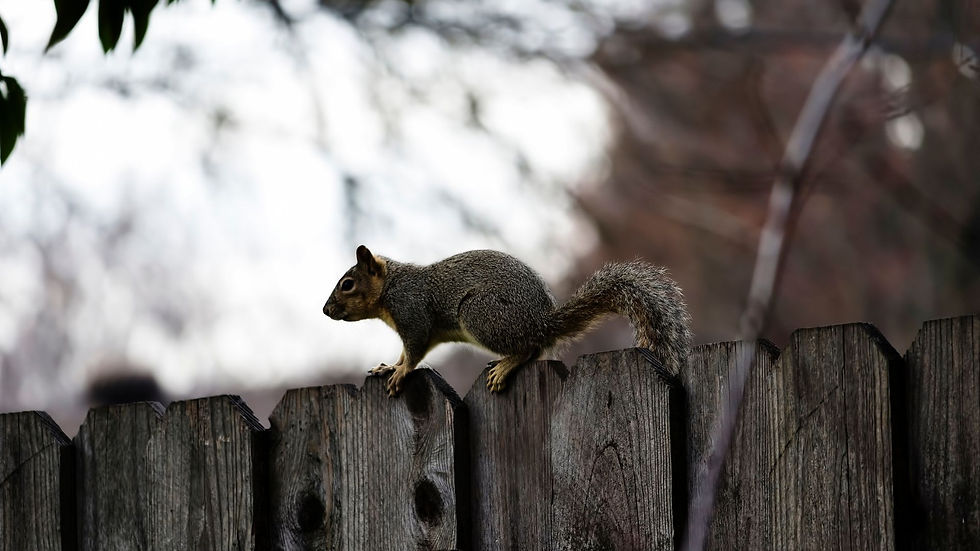
The fastest way to deter squirrels is to make your yard less rewarding. Removing food sources can force squirrels to forage elsewhere, often within days.
Cleanup tactics:
Regularly raking up fallen acorns and nuts prevents squirrel attractants-do this weekly during peak fall months.
Pick up fallen apple, pear, and other fruit the same day they drop in late summer.
Sweep spilled bird seed beneath feeders every evening so squirrels do not learn this as a reliable stop.
Trash and compost:
Heavy-duty metal garbage cans block access to trash. Use cans with tight-fitting lids or locking straps.
Store outdoor pet food in sealed containers and bring pet bowls inside overnight. Squirrels eat anything accessible, and so do rats and bears in rural PA areas.
Bury compost food scraps under at least eight to ten inches of yard waste in the soil to hide the smell and remove easy digging rewards.
Evolved Wildlife Solutions often pairs food-source reduction with structural exclusion. When food is scarce and access is blocked, squirrels typically move on to forage in the neighbors' yard or back into the woods.
Squirrel-Proofing Bird Feeders and Bird Seed
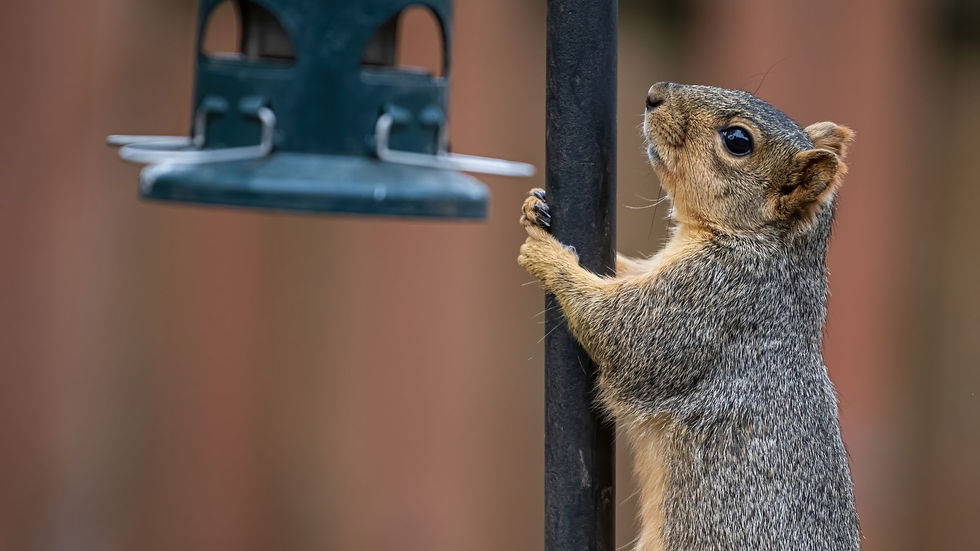
Plenty of homeowners have nearly given up trying to feed birds because squirrels monopolize every feeder. Fortunately, a squirrel proof system is achievable with the right setup.
Feeder placement:
Place bird feeders at least five to six feet off the ground on a smooth metal pole. Squirrels climb wood and rough surfaces easily.
Squirrel-resistant bird feeders should be placed far from structures. Keep feeders 8 to 10 feet from solid objects like trees, decks, and fences so squirrels cannot jump across.
Avoid mounting a window feeder where squirrels can leap from a nearby railing.
Equipment:
Bird feeders can be squirrel-proofed with baffles. Mount a dome or cone baffle 4 to 5 feet off the ground on the feeder pole.
Weight-activated feeders block access to squirrels by closing seed ports when anything heavier than larger birds like jays lands on the perch. Chickadees, finches, and sparrows feed undisturbed.
Tube feeders with small ports reduce spillage to the ground and waste less seed overall.
Seed selection and spicy treatments:
Safflower seeds are generally avoided by squirrels, while birds love them-especially cardinals. Safflower seed is a smart swap for standard mixes.
Squirrels can eat large seeds like sunflower seeds and peas with ease, but cayenne pepper deters squirrels effectively from bird feeders. Dust or lightly mix cayenne pepper with black oil sunflower seeds or suet. Birds lack capsaicin receptors, so this is harmless to them.
Capsicum-treated bird seed and "hot" suet cakes sold in stores offer a low-effort option, though you may need to rotate products if squirrels adapt.
One caution: while cayenne pepper deters squirrels without harming them, keep treated seed away from areas where pets or a cat might directly ingest large amounts. Supervised use and careful application prevent irritation.
Using Squirrel Repellents and Deterrents (What Works, What Doesn't)
A squirrel repellent makes an area unattractive. Exclusion physically blocks entry. Repellents alone rarely solve a serious attic or structural infestation, but they are useful as part of a layered approach.
Common squirrel deterrent options:
Taste-based: Capsaicin sprays for decks and rails, commercial squirrel repellent granules, and hot-pepper-oil coatings on poles. Always follow label directions when spraying.
Smell-based: Using repellents like peppermint oil can discourage squirrels from gardens. Predator-urine granules and garlic-mint products also work, though research shows predator scent like red fox urine outperforms general smell deterrents. In wet Pennsylvania spring and summer weather, reapply frequently.
Motion-based: Motion-activated sprinklers can scare away squirrels effectively in gardens. Motion-sensing lights or noisemakers help on decks and patios.
What does not work well:
Static scare devices like plastic owls lose effectiveness fast. Squirrels are smart mammals and adapt within days.
Ultrasonic devices produce inconsistent results and should never be a standalone deterrent.
Any pepper-based product near living areas should be applied carefully to avoid irritating humans, pets, or non-target wildlife.
Combining multiple methods is more effective than relying on one. Evolved Wildlife Solutions uses repellents strategically-only as a supplement to sealing entry points and fixing the underlying food and shelter issues, not as a magic cure.
Keeping Squirrels Out of Attics, Chimneys, and Structures
Structural squirrel problems are serious. Chewed electrical wires create fire risk. Soiled insulation harbors pathogens.
Inspection steps:
Listen for running or scratching at dawn and dusk from September through May.
From the yard, look for gnaw marks, missing fascia, damaged soffit vents, and gaps around rooflines.
Check chimney caps for damage. An uncapped flue is an open invitation.
Humane eviction:
During spring and late summer breeding seasons, assume young squirrels may be inside. Never simply seal the hole-you could trap babies that cannot survive on their own.
One-way exclusion devices allow squirrels to leave without returning. Professionals install these at identified entry points and wait at least seven days before permanent sealing.
Never "smoke out" squirrels from a chimney or wall. This is cruel, dangerous, and prohibited under PA law.
Exclusion and repair:
Installing metal flashing can seal entry points against squirrels. Use hardware cloth, heavy-gauge steel screens, or metal flashing over every chewed hole.
Trimming tree branches keeps them at a distance from roofs. Keeping branches 6 feet from the roof reduces access for squirrels significantly.
Replace contaminated insulation and sanitize droppings with protective gear or professional remediation.
Evolved Wildlife Solutions offers full-service wildlife control across southeastern PA: inspection, humane removal, animal damage repair, and long-term prevention tailored to each house and structure.

Garden and Yard Protection: How to Keep Squirrels Out of Plants
Squirrels dig in freshly turned soil looking for food, raid tomatoes at the sight of ripeness, and shred fruit before you can harvest. You will not eliminate every animal from the neighborhood, but targeted protection works.
Physical barriers:
Physical barriers like chicken wire can exclude squirrels from gardens. Build low cages around raised beds with mesh openings no larger than one inch. Squirrels can be excluded using chicken wire cages placed over vulnerable plants.
Squirrels can be deterred by using physical barriers like wire mesh over berry bushes, sunflowers, and corn during peak ripening from late June through September.
Use hardware cloth baskets around tulip and crocus bulbs when planting in fall to prevent digging.
Mulch and soil tactics:
A thick layer of coarse mulch or gravel around seedlings in your lawn and garden makes digging less rewarding.
Landscape fabric under mulch stops squirrels from burying or retrieving food in problem areas.
Taste deterrents on plants:
Spray non-toxic pepper-based repellents directly on leaves of peas, spinach, cabbage, and tomatoes. Reapply after heavy rain. Rinse produce thoroughly before eating.
Set realistic goals: aim to drastically cut damage rather than achieving a perfectly squirrel-free backyard. The next best option is always combining barriers, repellents, and reduced food sources together.
When to Call a Professional
DIY methods handle many situations. But when you see repeated attic entries, visible chewed wiring, large holes in soffits, or an animal showing abnormal behavior-disorientation, aggression, or illness-it is time for professional help.
What Evolved Wildlife Solutions does on a typical service call:
Comprehensive inspection of rooflines, attics, crawlspaces, and surrounding yard
Identification of entry points, nesting areas, and food sources drawing squirrels to the other end of your property
Customized plan including humane removal, sealing, cleanup, and prevention
Frequently Asked Questions About Getting Rid of Squirrels
Can I legally relocate squirrels from my property?
In Pennsylvania, relocating wild squirrels is restricted. Humane traps can be used to relocate squirrels safely in some cases, but relocated animals often die from starvation or predation in unfamiliar habitat and can spread disease. The PA Game Commission recommends focusing on humane exclusion-one-way doors, sealing entry points, and habitat changes-rather than trap-and-relocate. Contact Evolved Wildlife Solutions or your regional Game Commission office for guidance specific to your area.
Are squirrel repellents safe for pets and children?
Capsaicin-based products and cayenne pepper are generally low-toxicity for mammals but can cause eye, skin, and mouth irritation if directly contacted or ingested. Apply repellents only where children and pets cannot lick or touch treated surfaces. Store products securely and choose EPA-registered formulas when possible.
How long does it take to get rid of squirrels in an attic?
Simple cases with a single entry point and no babies can be resolved within three to seven days using one-way doors and quick sealing. Situations involving litters, multiple entry points, or extensive damage can take several weeks, including cleanup-this is where a professional like Evolved Wildlife Solutions is especially valuable.
Is it ever a good idea to feed squirrels on purpose?
Feeding squirrels increases population density in your yard, encourages dependence on humans, and makes attic invasions and feeder raids more likely. If wildlife watching is your goal, invest in squirrel proof bird feeder setups and plant native trees instead. Squirrels will survive just fine in winter without your help-they have been caching nuts and foraging through cold months long before backyard feeders existed.

Comments